 During the 18th and 19th centuries, whale oil became one of the world’s most valuable resources. It lit homes and streets, warmed entire cities, and fueled the growing industries of the Industrial Revolution by lubricating the massive machines that powered factories and steam engines. As demand increased, whaling ships began crossing dangerous oceans in search of fortune, carrying harpoons, cannons, muskets, and barrels of gunpowder aboard heavily reinforced vessels built to survive the brutal conditions of the open sea.
But along with stories of wealth came rumors of something far more terrifying.
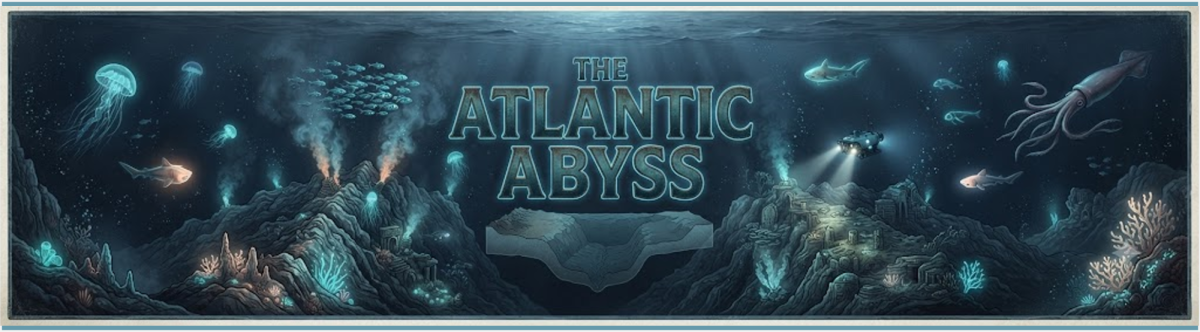
Sailors spoke of enormous herds of whales hidden deep within the Atlantic Ocean, promising riches beyond imagination. Yet they also whispered about a creature that haunted those same waters—a monstrous beast so massive and violent that it could destroy even the strongest ship in moments. According to the stories, the creature possessed a polished, spiral-shaped tusk sharp enough to pierce steel and tear through wooden hulls as if they were paper.
Some believed the monster was only a myth created by frightened sailors. Others swore it was real.
What everyone knew, however, was that many ships that ventured too far into the frozen Atlantic never returned. Entire crews vanished without explanation, lost beneath the dark waves and slowly forgotten by history.
As the rumors spread, fear reached such a level that the British Royal Navy prepared one of the most powerful ships of its time to hunt the creature down. The massive battleship was reinforced with steel, protected by layers of heavy wood, and decorated with a sculpture of the Greek goddess Athena at its bow—a symbol of wisdom and victory.
But even that was not enough.
One violent night, as thunder roared across the sky and waves rose like mountains, the monster finally emerged from the depths. Without warning, it crashed into the ship’s hull with unstoppable force, ripping it apart. The impact ignited barrels of oil and gunpowder, and within seconds the vessel disappeared in an explosion of fire and smoke.
The sailors who survived the blast were swallowed by the freezing ocean, surrounded by flames, chaos, and fear. Some accounts claim the sea itself turned dark red that night, as if marking the creature’s victory over mankind.
Then, just as suddenly as it had appeared, the monster vanished.
By the late 19th century, petroleum had replaced whale oil, and whaling slowly declined. The terrifying creature of the Atlantic was never seen again, fading into legend along with the age of whaleships and sea hunters. Yet even today, sailors still tell stories about what may still be hiding beneath the cold and endless waters of the ocean.